
Lisbon has firmly established itself as one of Europe’s most captivating city break destinations. Portugal’s capital effortlessly combines deep historic roots with a lively cultural scene, breathtaking panoramic views, and a world-class culinary offering shaped by the Atlantic. During our team’s regular visits to explore new neighbourhoods and check on our properties, we are continually impressed by how smoothly the city balances its historic heritage with modern urban life.
Whether you are planning a long weekend or an extended holiday, structuring an efficient itinerary helps you make the most of your time. Our team has put together this guide to ensure you discover the very best of what the city has to offer.
Discovering the Capital: What to Do in Lisbon Portugal
To navigate Lisbon efficiently, it helps to understand its unique geography. Built across seven prominent hills along the banks of the Tagus River, the city comprises several distinct neighbourhoods, each presenting its own character. From the medieval alleyways of Alfama to the grand 18th-century grid system of the Baixa district, exploring Lisbon involves navigating paved inclines that open up into remarkable viewpoints (miradouros) across the skyline.
Understanding these geographical zones makes it much easier to decide what to do in Lisbon depending on your interests, whether you prefer exploring historic monuments, visiting world-class art collections, or enjoying fresh seafood by the waterfront.

Lisbon: What to See and Do Across Key Neighbourhoods
To help you organise your daily sightseeing routes, we have broken down the primary areas of interest and their standout attractions.
(Map Location Hint: Central Lisbon spans from the Tagus River bank at Commerce Square northward through the Baixa grid, flanked by Alfama to the east and Chiado/Bairro Alto to the west, while Belém sits approximately six kilometres to the west along the riverfront).
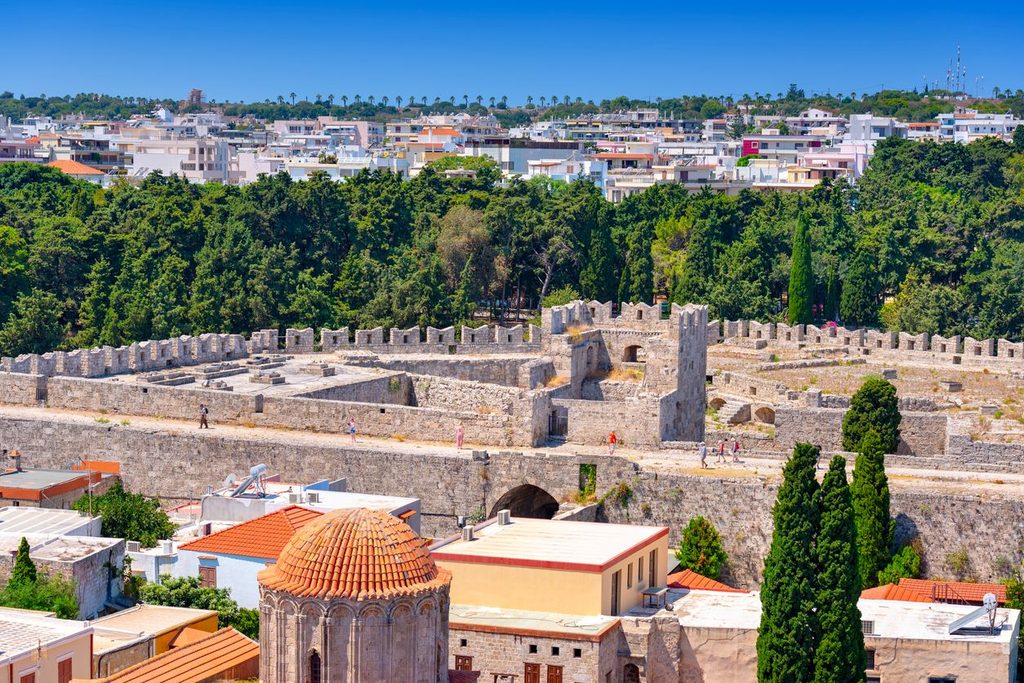
St George’s Castle and the Historic Alfama District
Perched on the city’s highest hill, St George’s Castle (Castelo de São Jorge) provides an unmatched 360-degree view over the historic centre and the Tagus estuary. The Moorish fortifications and surrounding gardens offer an ideal starting point for understanding Lisbon’s urban development. Descending from the castle brings you directly into Alfama, Lisbon’s oldest quarter. Walking through its maze of narrow streets, traditional tiled facades, and quiet squares offers an authentic glimpse into local life.
The Historic Waterfront of Belém
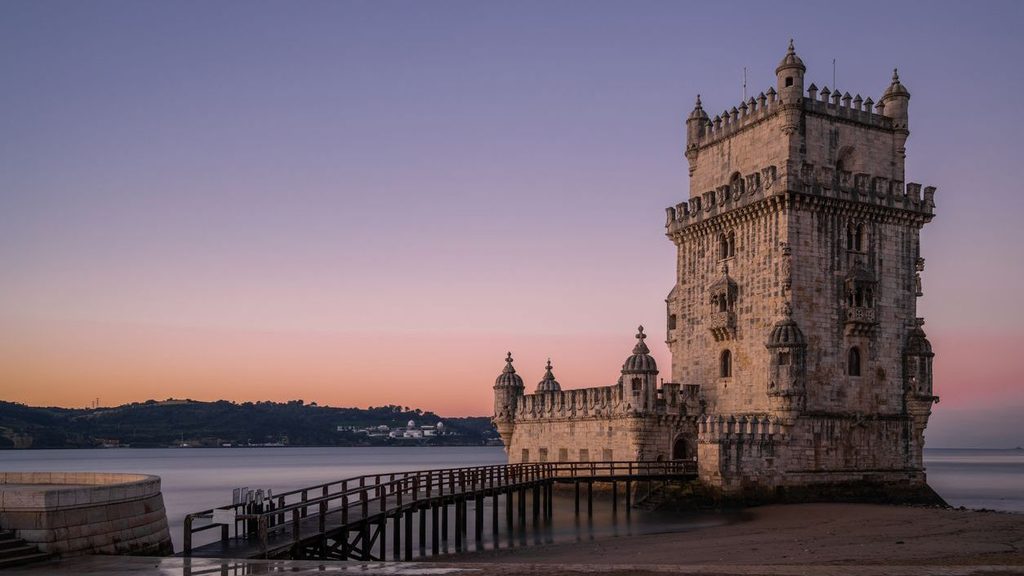
Located west of the city centre, Belém serves as the focal point for Portugal’s maritime history. The Jerónimos Monastery stands as a prime example of Manueline architecture and holds UNESCO World Heritage status. A short walk along the riverfront leads to the Belém Tower and the Monument to the Discoveries, both of which commemorate the historic voyages of exploration that departed from these shores.
Baixa, Chiado, and the Santa Justa Lift
The Baixa district forms Lisbon’s lower downtown area, rebuilt after the major earthquake of 1755. The grand Commerce Square (Praça do Comércio) opens straight onto the river and connects to the bustling pedestrian shopping avenues via the Augusta Street Arch. Heading uphill into Chiado reveals elegant avenues lined with historic bookshops and traditional cafés. To connect these two districts without a steep climb, the Santa Justa Lift—an iconic 19th-century iron elevator designed by Raoul Mesnier du Ponsard—functions both as practical public transport and a popular lookout platform.
Recommended Experiences and Local Activities
Beyond visiting individual monuments, enjoying Lisbon involves participating in local traditions and taking advantage of the city’s outdoor lifestyle. Here are the core activities we always recommend incorporating into your itinerary:
Boarding the Classic Yellow Trams
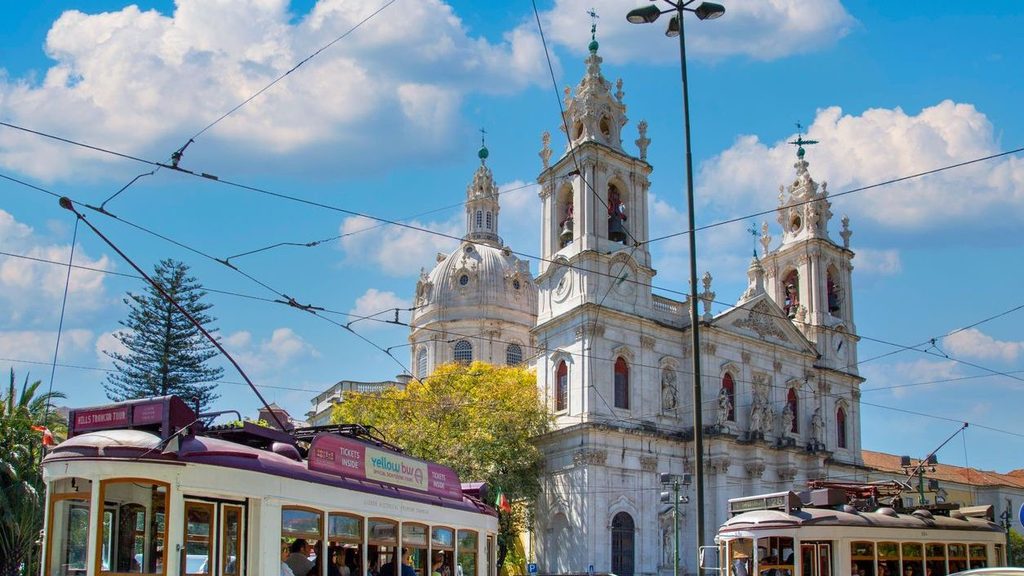
Riding one of Lisbon’s historic wooden trams remains one of the best ways to observe the city’s architectural diversity. Tram 28 is the most famous route, winding through Graça, Alfama, Baixa, and Estrela. To avoid long queues during peak hours, we advise catching an early morning service or opting for Tram 12, which covers a shorter loop through the historic centre with fewer crowds.
Culinary Journeys and Food Markets
Portuguese gastronomy focuses heavily on fresh seafood, grilled meats, and regional pastries. Visiting the Time Out Market inside the historic Mercado da Ribeira allows you to sample dishes created by top local chefs alongside traditional food stalls under one roof. No visit is complete without stopping in Belém to taste authentic, warm pastéis de nata (custard tarts) dusted with cinnamon, straight from the original 1837 bakery.
Sunset Views from the Miradouros
Lisbon’s hills offer numerous natural vantage points that serve as gathering spots in the late afternoon. The Miradouro de Senhora do Monte provides the highest panoramic view across the castle and downtown, while the Miradouro de São Pedro de Alcântara overlooks Alfama and the river from the west side. Most of these terraces feature small open-air kiosks (quiostes) serving coffee, wine, and light snacks.
Evening Fado Performances in Mouraria or Alfama
Listening to Fado—Portugal’s expressive, traditional music genre—offers a memorable cultural insight. Attending an evening performance inside a small, traditional tasca (tavern) in districts like Mouraria or Alfama allows you to experience this UNESCO-recognised musical art form alongside regional home-cooked cuisine.
Practical Advice for Visitors to Lisbon
To ensure a comfortable and smooth trip, keeping a few operational travel tips in mind makes a significant difference:
- Footwear Choice: Lisbon’s streets are covered in traditional calcada portuguesa (basalt and limestone paving). While beautiful, it can be uneven and slippery, making sturdy, comfortable walking shoes essential.
- Getting Around: Purchase a reusable Navegante travel card at any metro station to use the metro, buses, trams, and funiculars efficiently at reduced fares.
- Ideal Times to Visit: Spring (March to May) and autumn (September to October) offer warm temperatures, long daylight hours, and manageable visitor numbers compared to July and August.
- Advance Booking: Popular attractions such as the Jerónimos Monastery and St George’s Castle frequently feature long ticketing queues. Purchasing entry tickets online beforehand saves valuable sight-seeing time.
Easy Day Trips from the Capital
If you are extending your stay beyond three days, the surrounding region offers exceptional UNESCO cultural landscapes and coastal scenery accessible by direct train lines:
Sintra’s Palaces and Estate Gardens
Located 40 minutes by train from Rossio Station, Sintra sits within a cool microclimate surrounded by forested hills. The town is famous for the colourful Pena Palace, the Moorish Castle, and the magical Quinta da Regaleira estate, known for its intricate gardens and underground initiation well.
Cascais and the Estoril Coast
For a relaxing day along the Atlantic coast, board the scenic coastal train from Cais do Sodré station to Cascais. Once a royal retreat and fishing village, Cascais features clean sandy beaches, pedestrian shopping streets, and scenic walking trails leading toward Cabo da Roca, the westernmost point of continental Europe.
Plan Your Lisbon Experience
Lisbon offers an extraordinary mix of heritage, fine dining, stunning light, and accessible day trips that cater to every type of traveller. From exploring historic alleys in Alfama to watching the sunset over the Tagus, the capital delivers an unforgettable European city break.
Now it is your turn to experience this remarkable destination first-hand. To enjoy the comfort, space, and independence of a private home during your stay, explore our premium holiday rentals at LV Premier. Our team looks forward to welcoming you and helping you make the absolute most of your time in Lisbon.